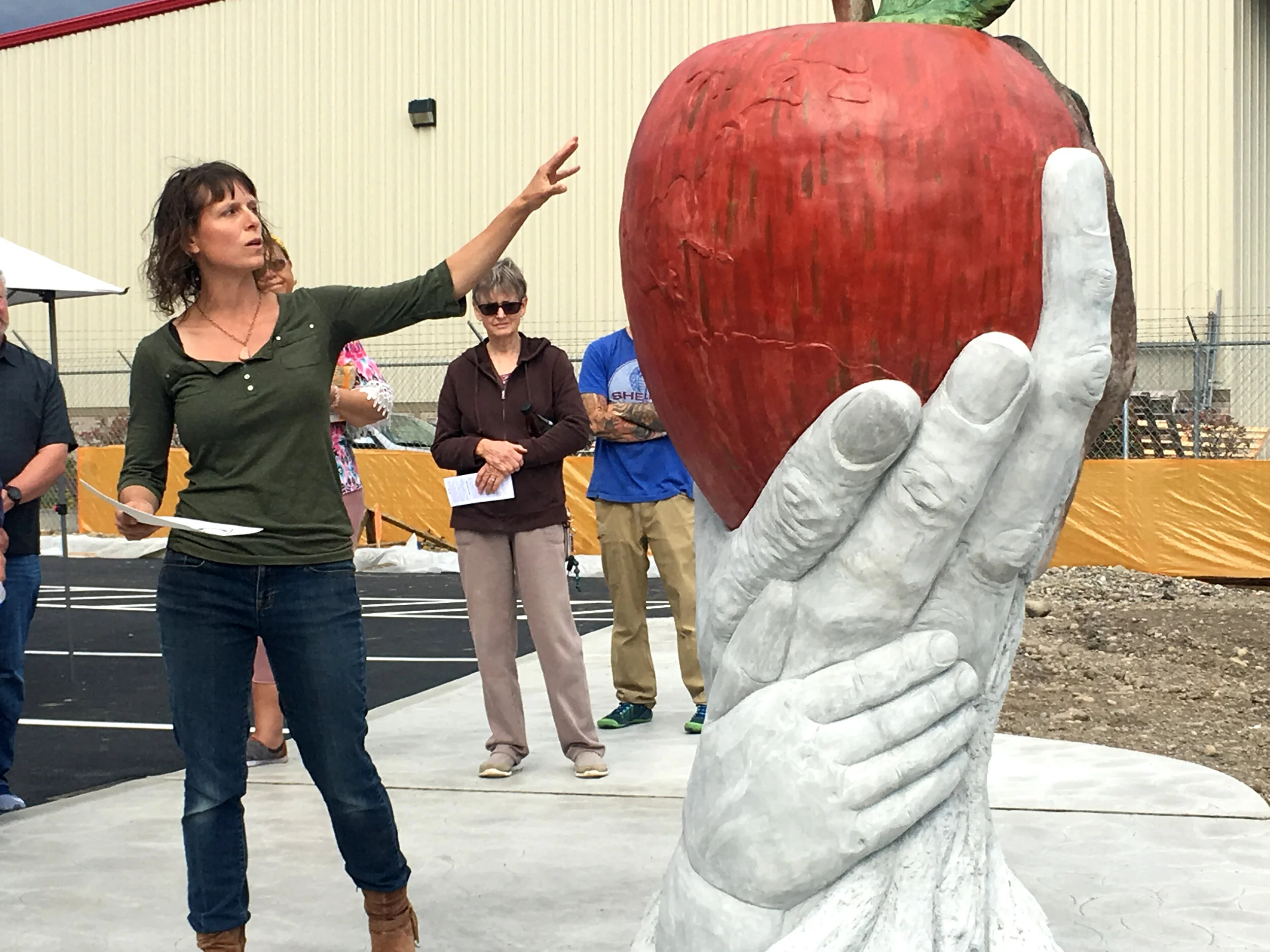
LESS WASTE, MORE FOOD
A solution to hunger and climate change.
The Story
Year completed: 2019
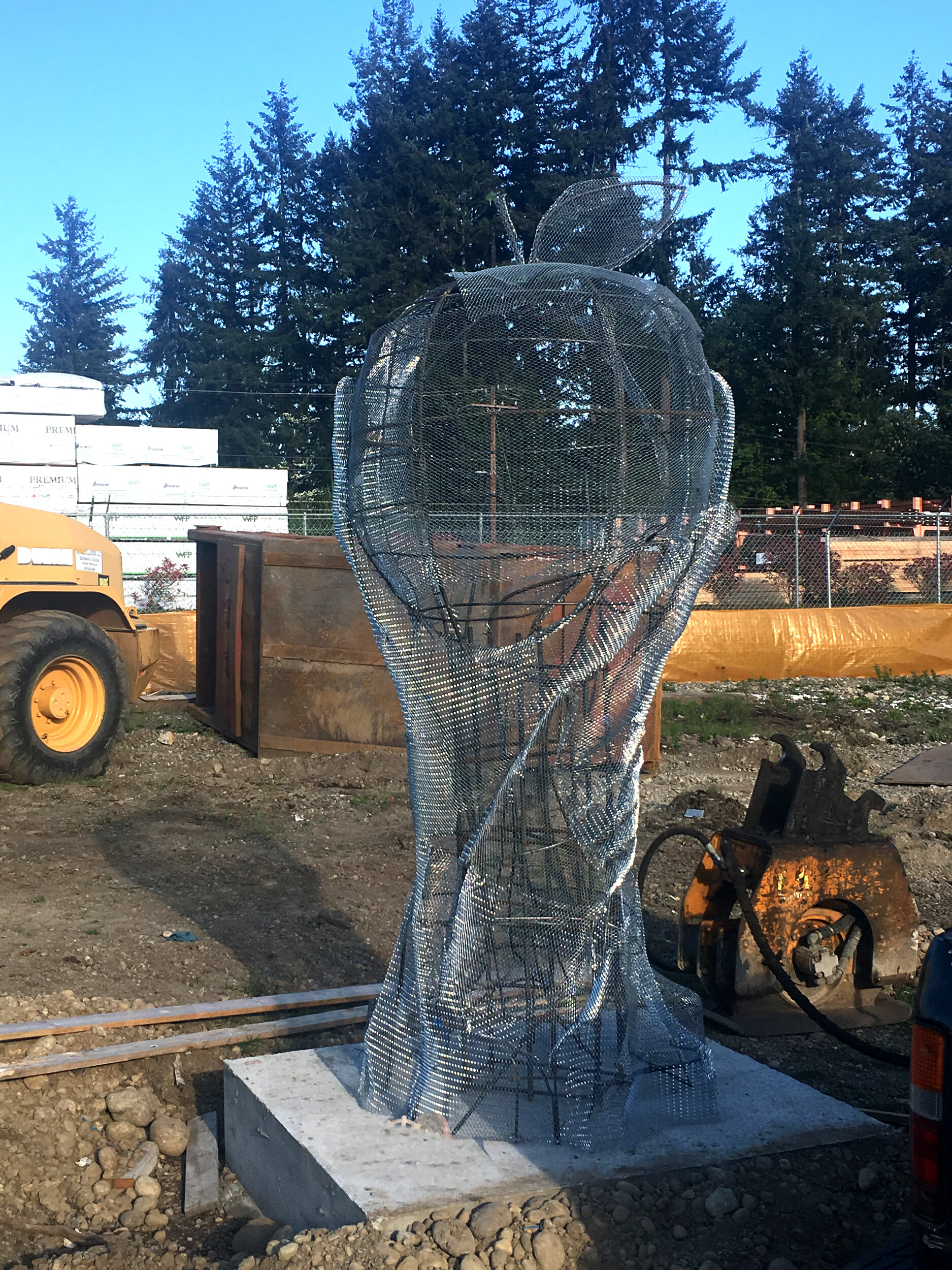
Dimensions: 7’x40’x18’
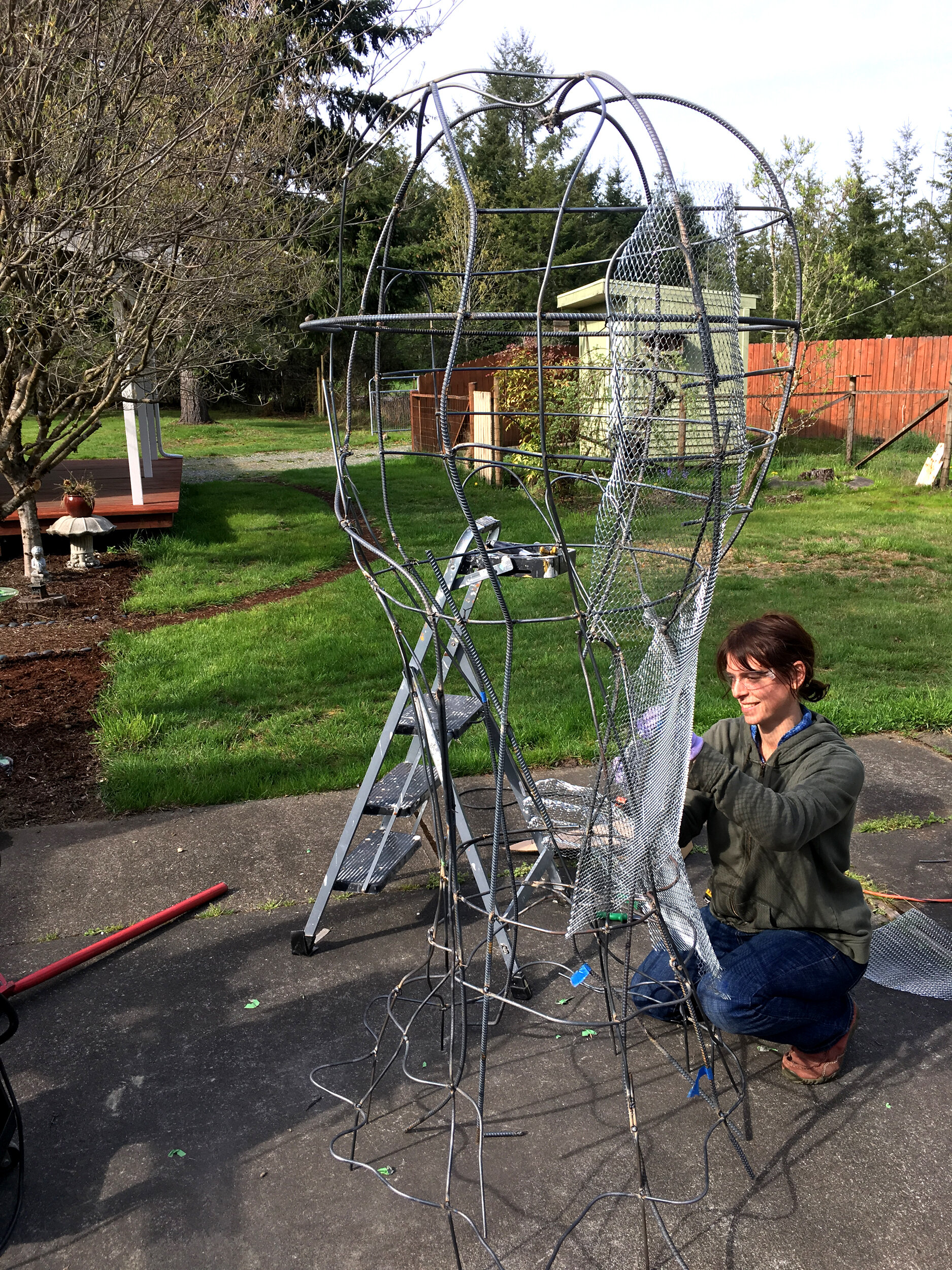
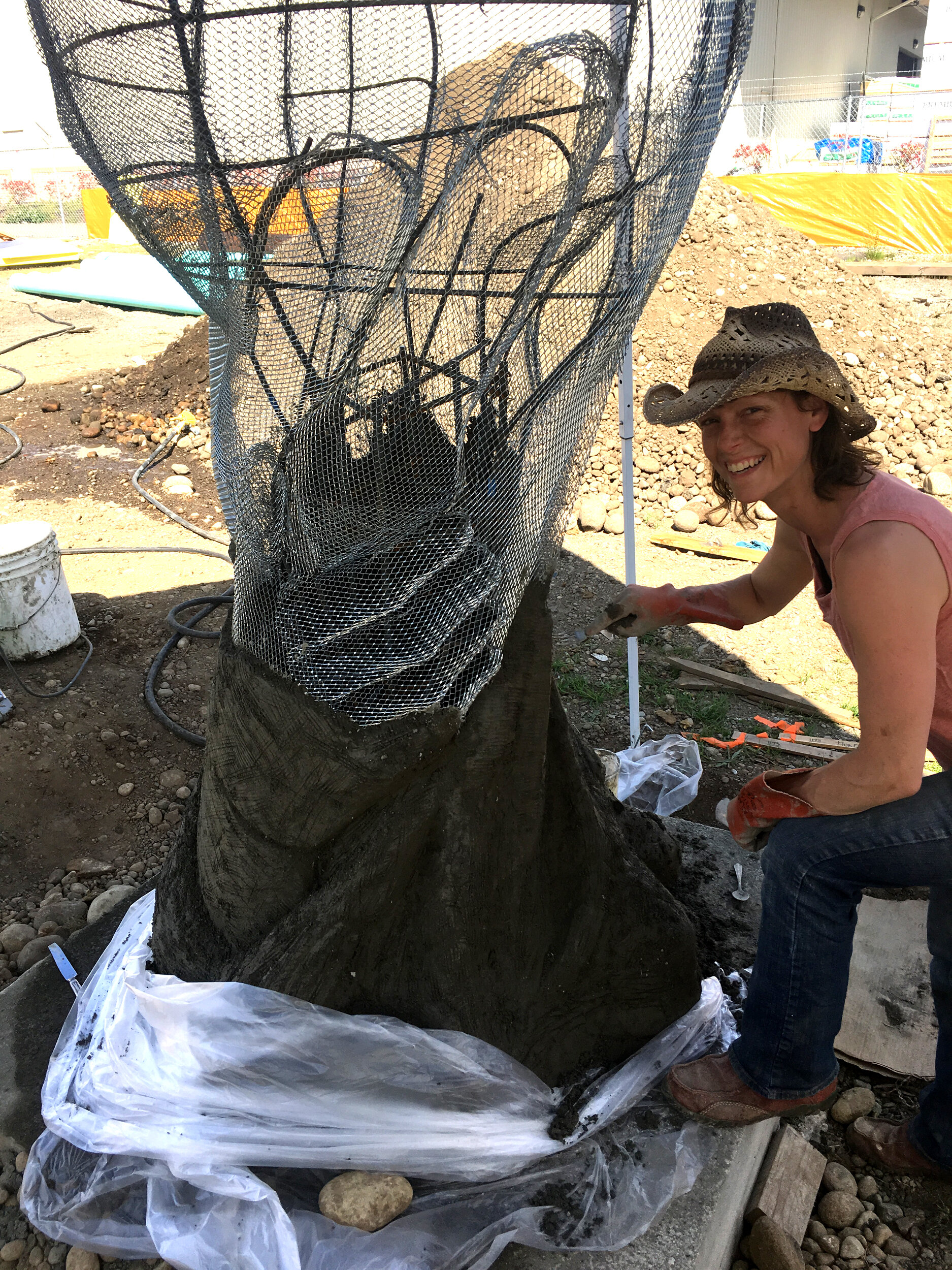
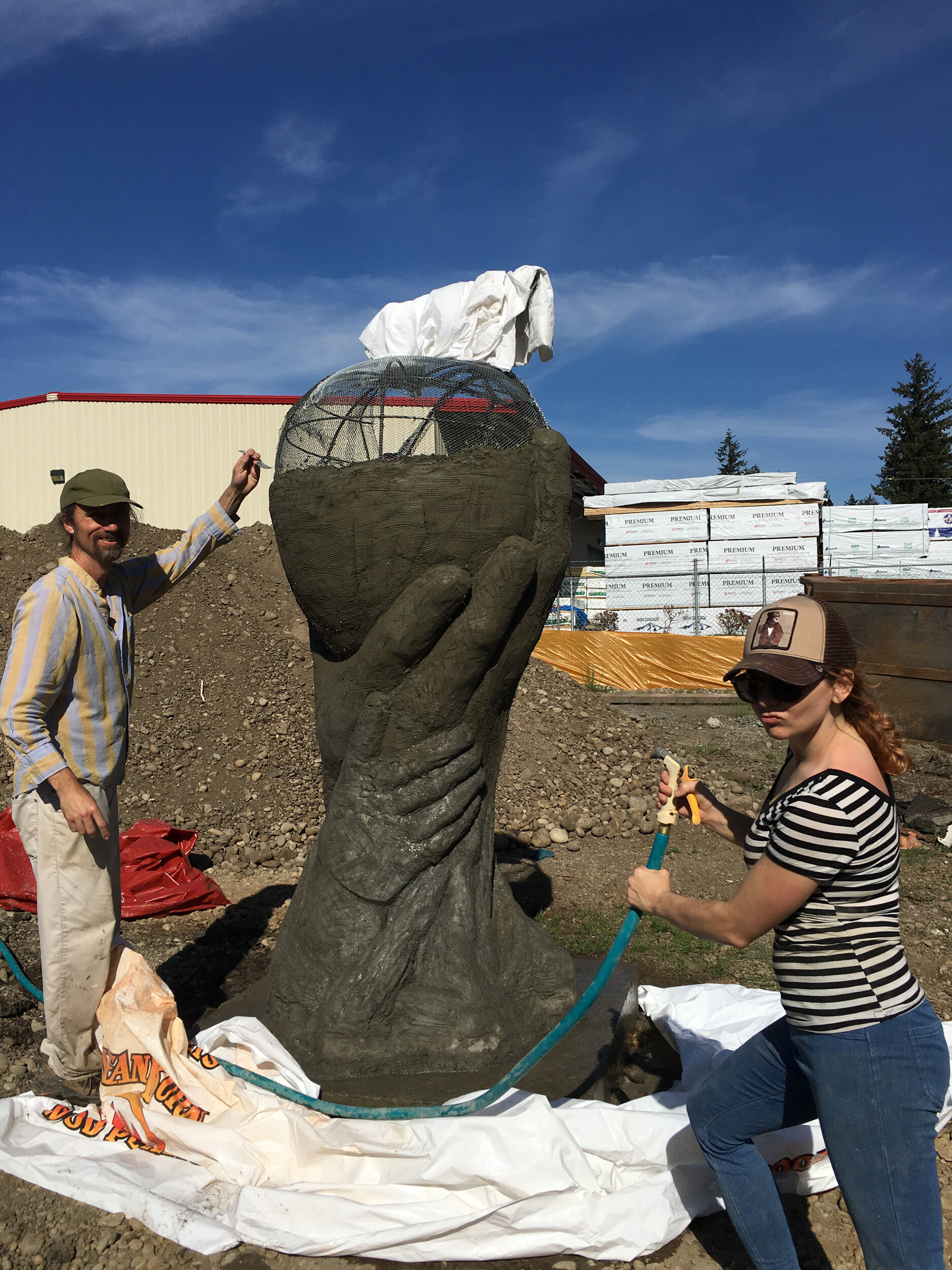
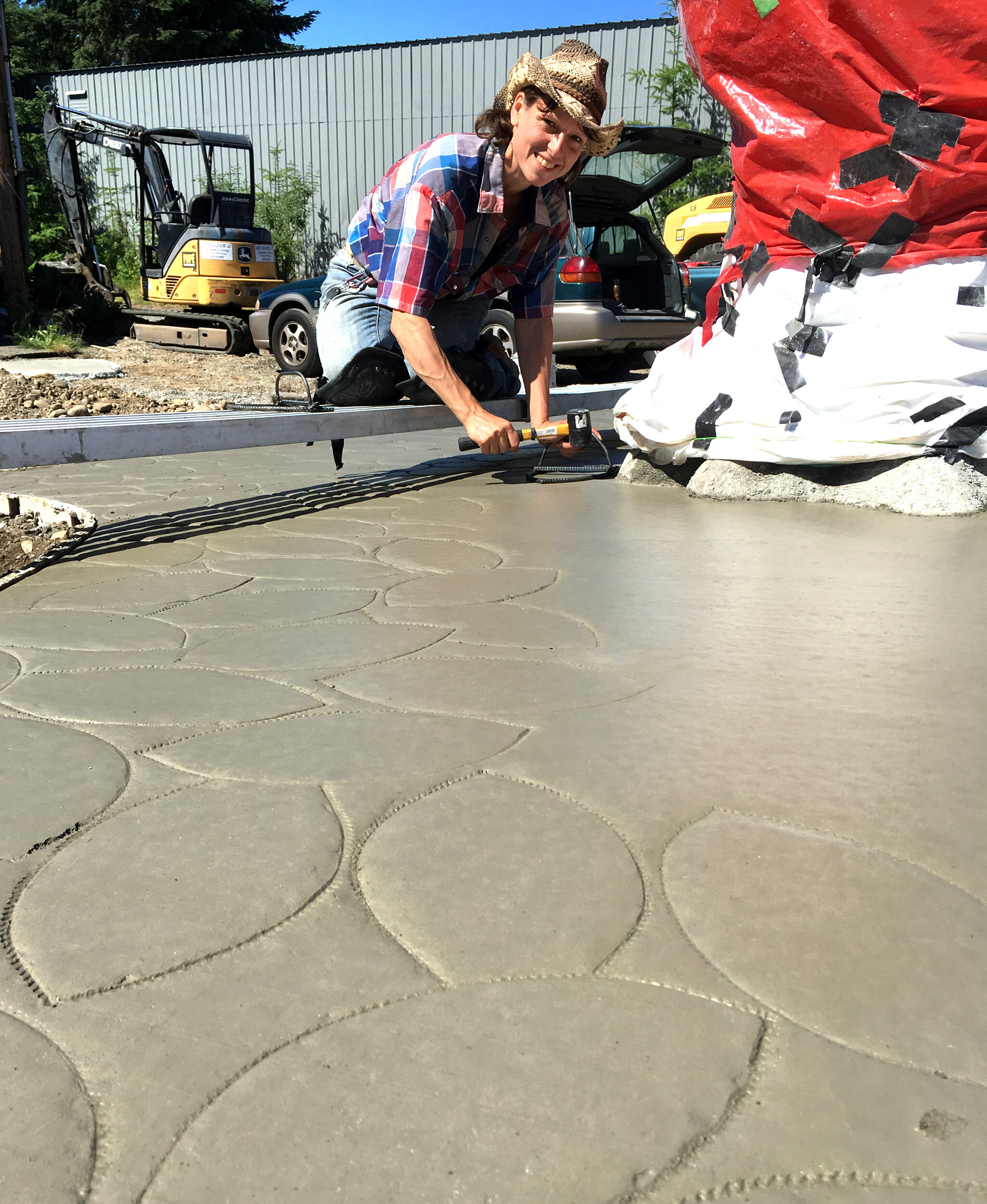
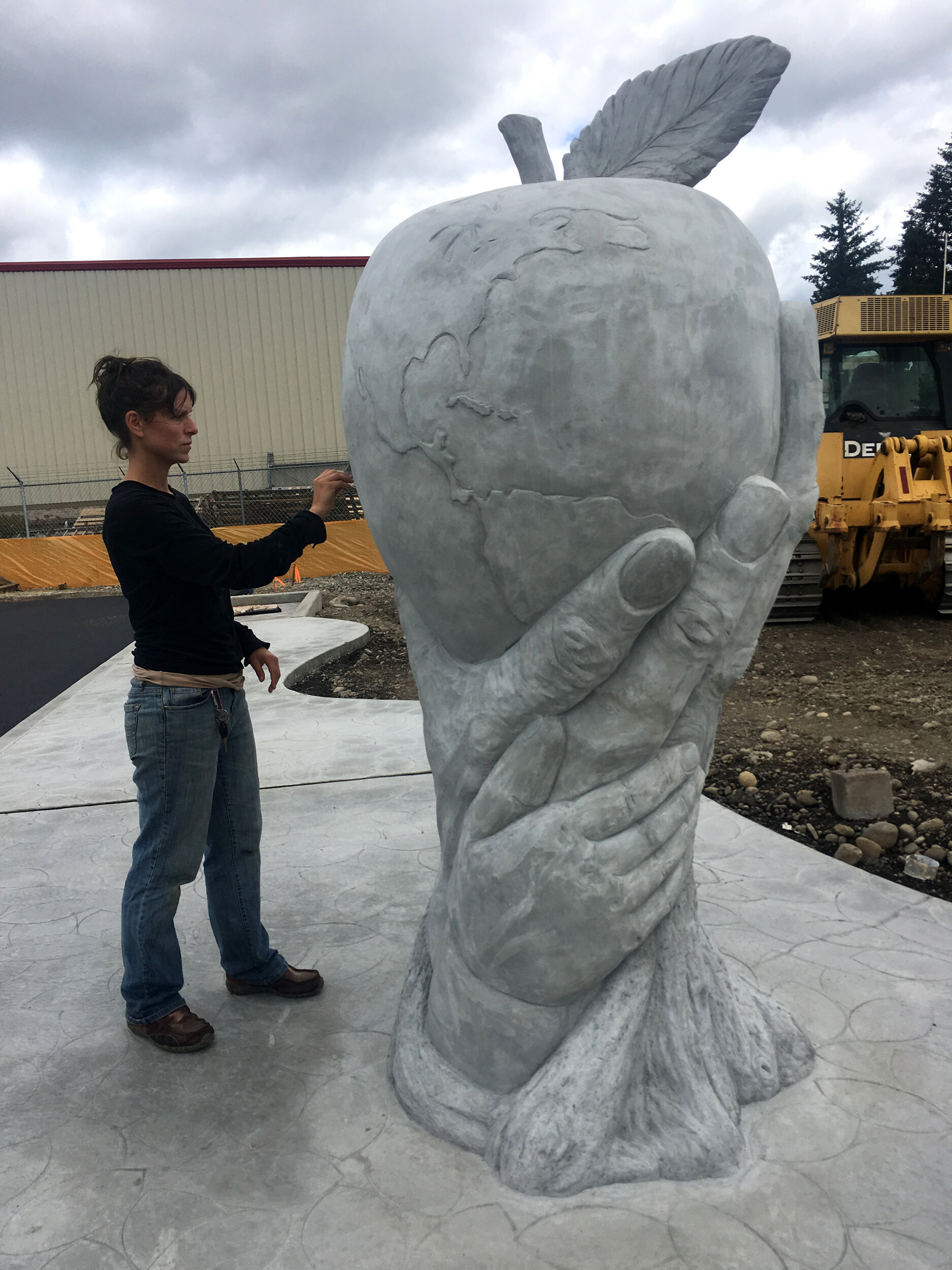
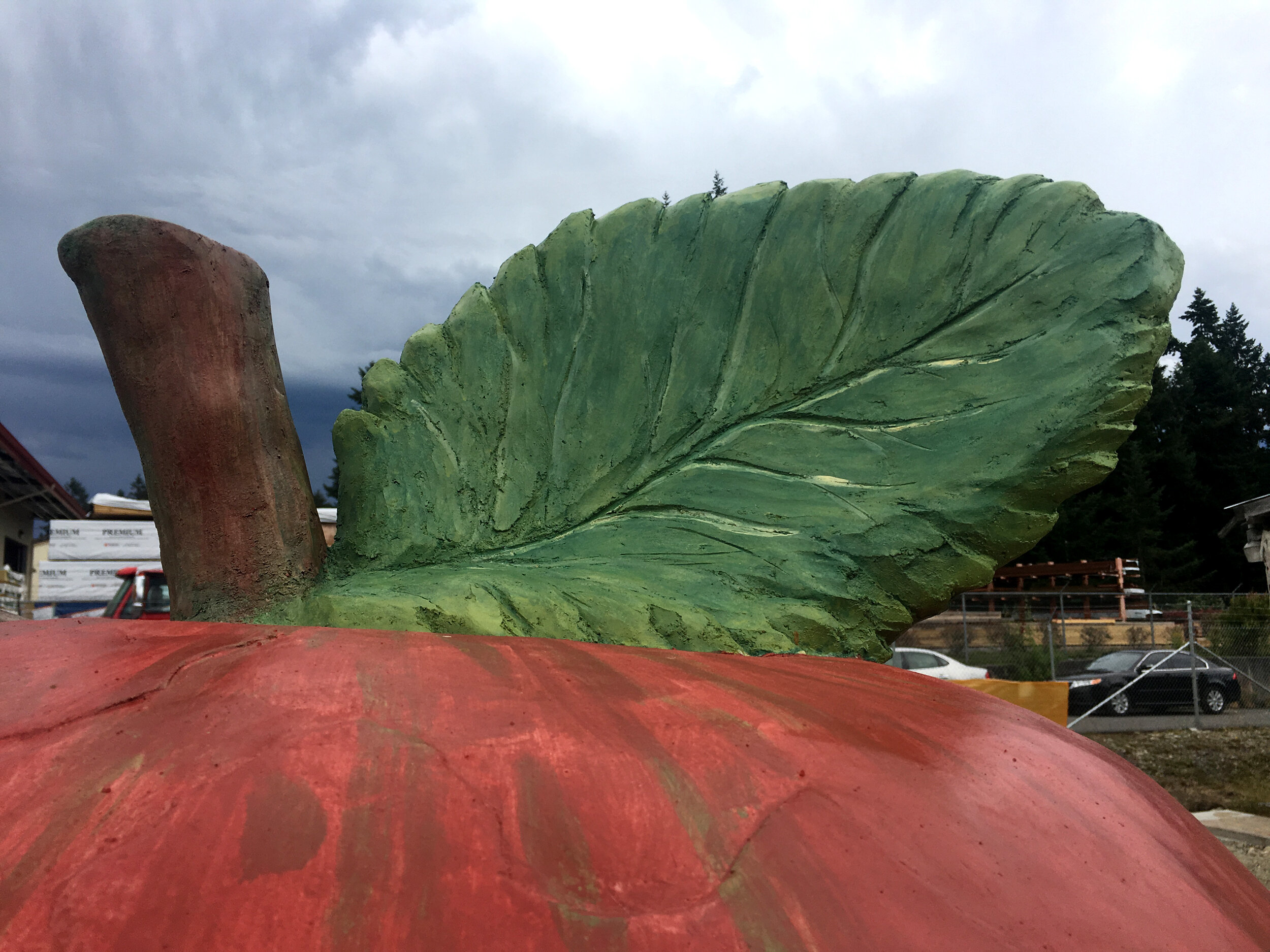
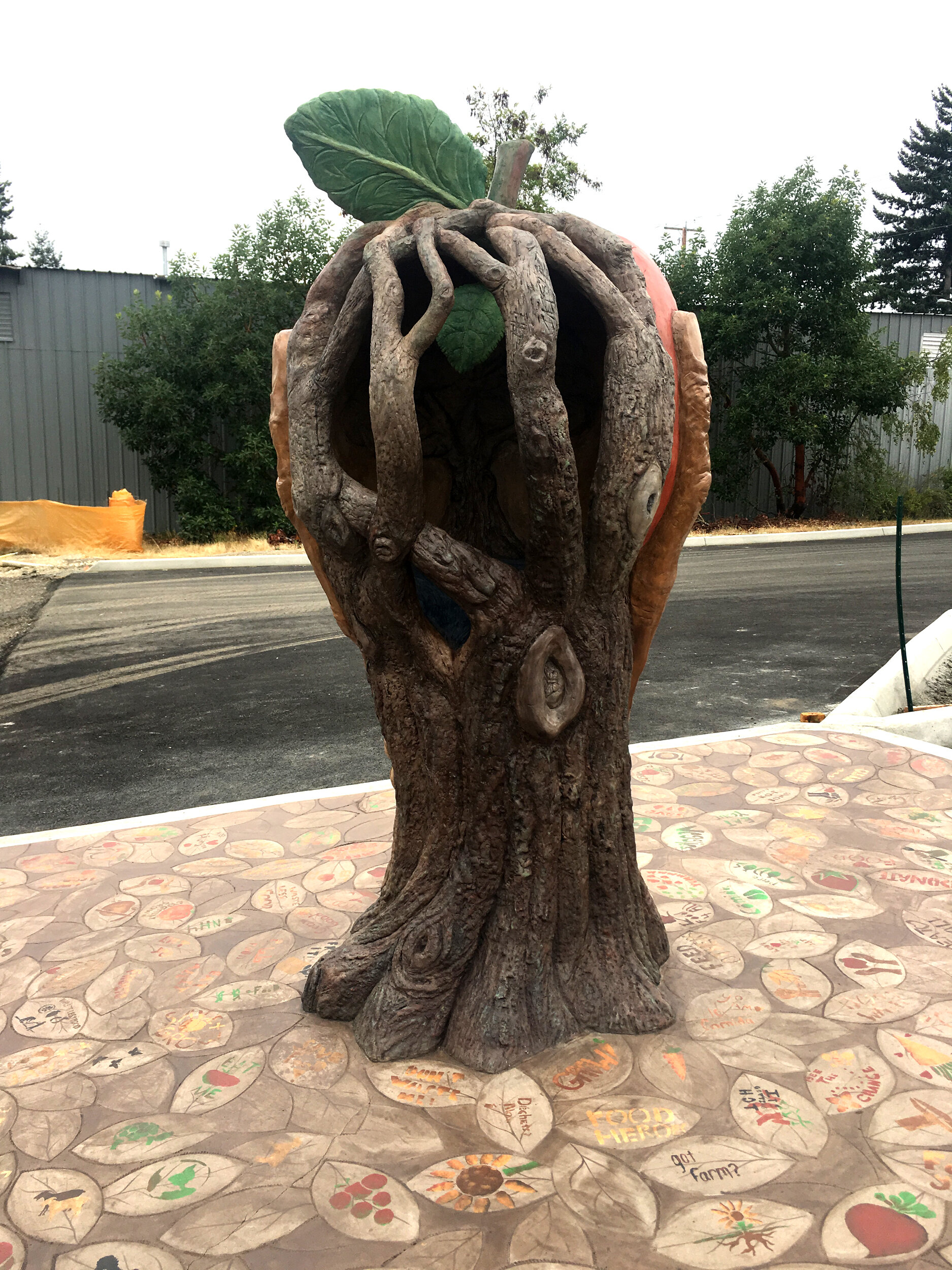
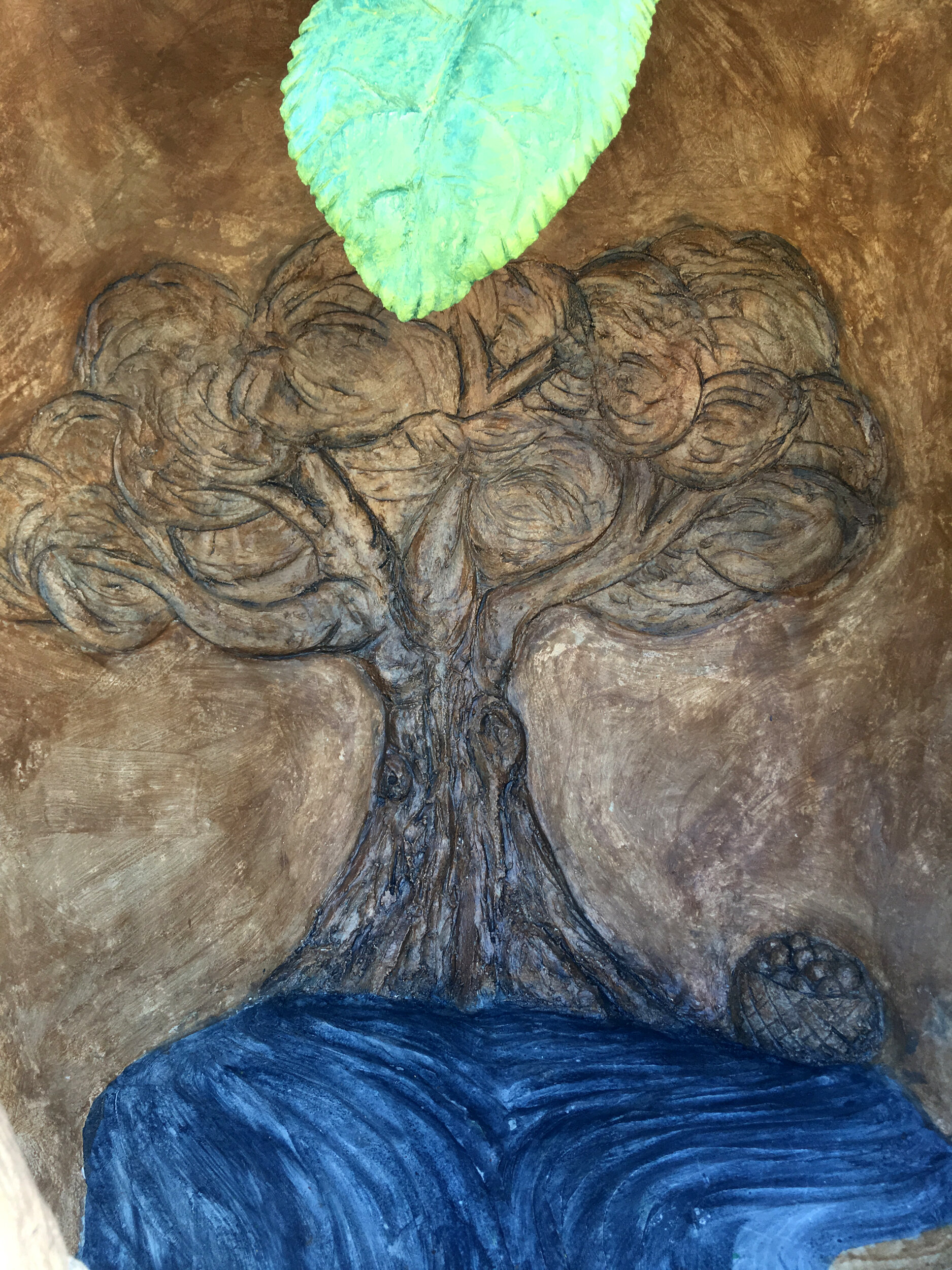
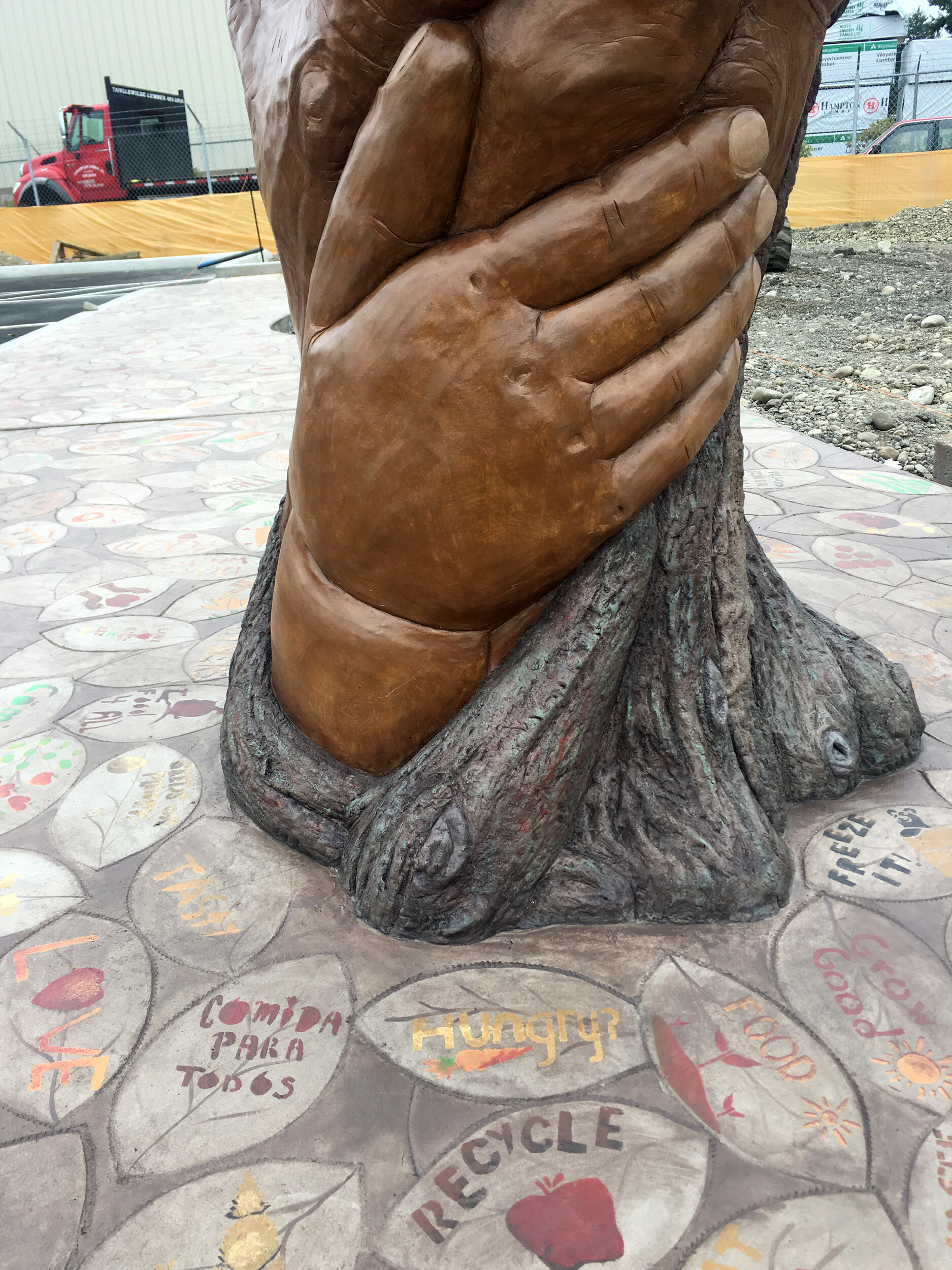
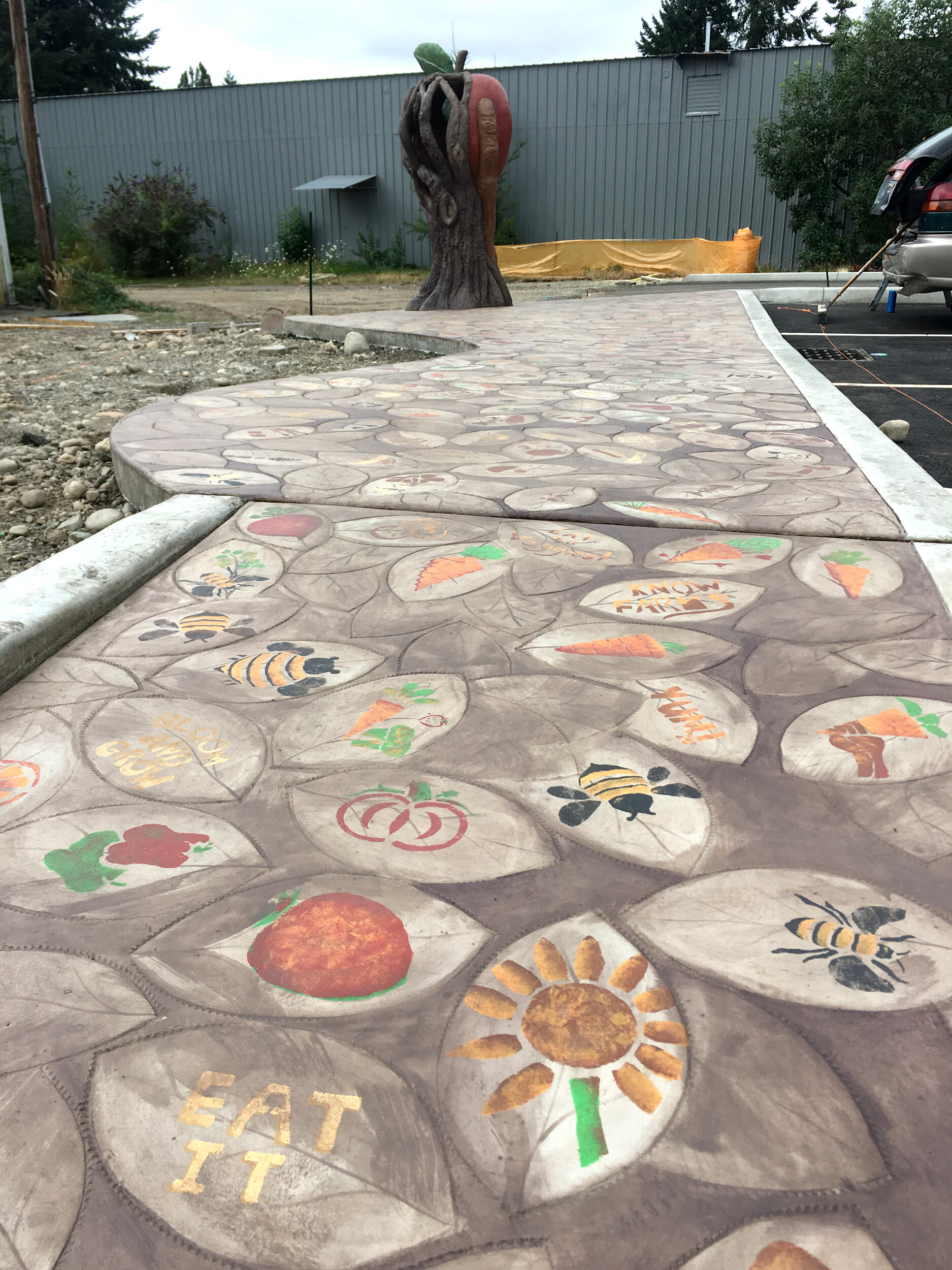
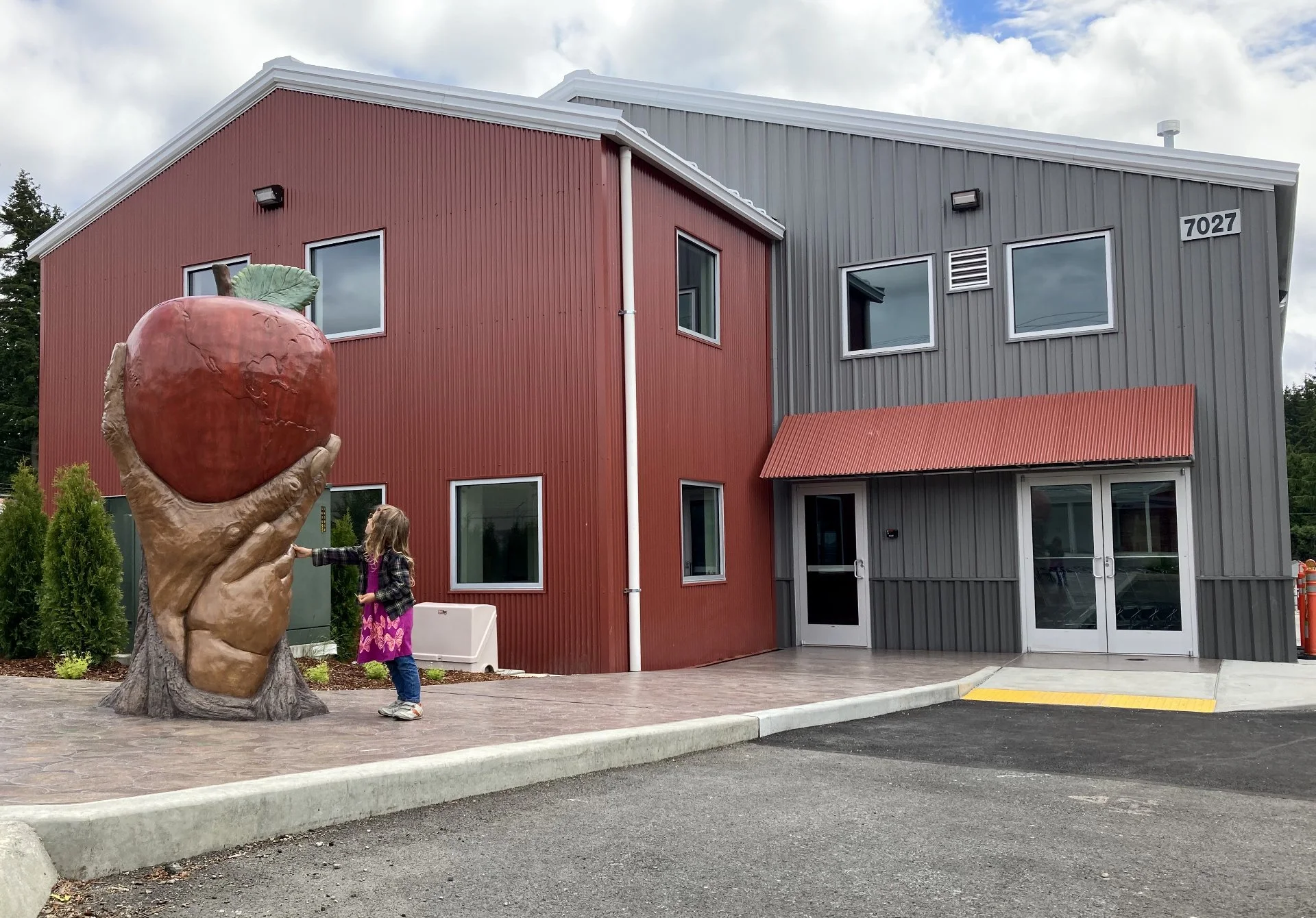
Medium: Ferro-cement sculpture, concrete walkway, water-based stains.
Commissioning Agency: Thurston County Food Bank
Collaborators: Thurston County Solid Waste, North Thurston Public Schools, City of Lacey, WA, 1,000 middle and high school students.

About the Project
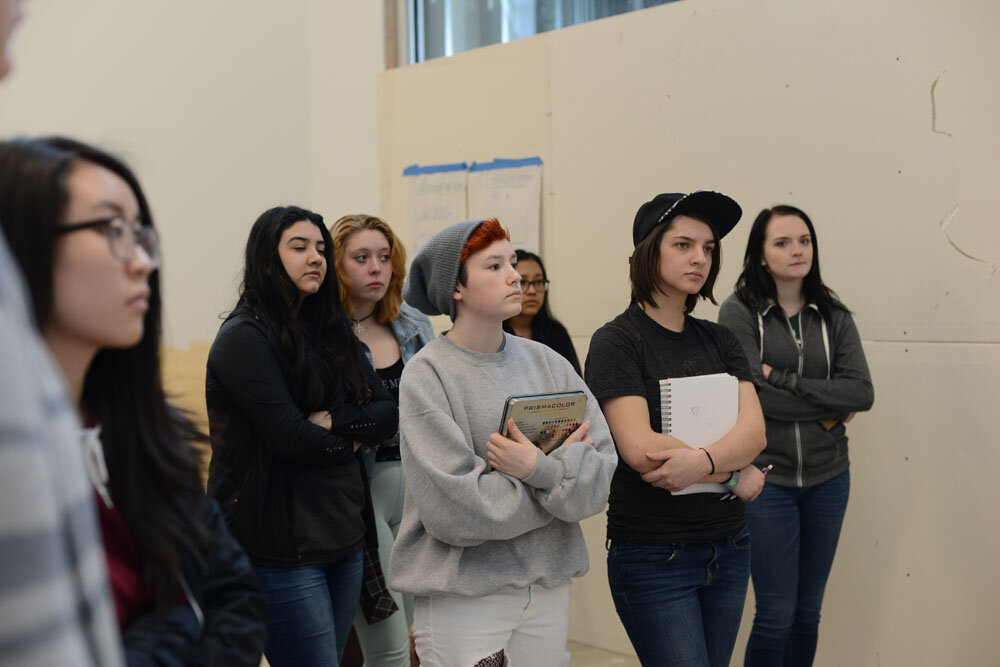
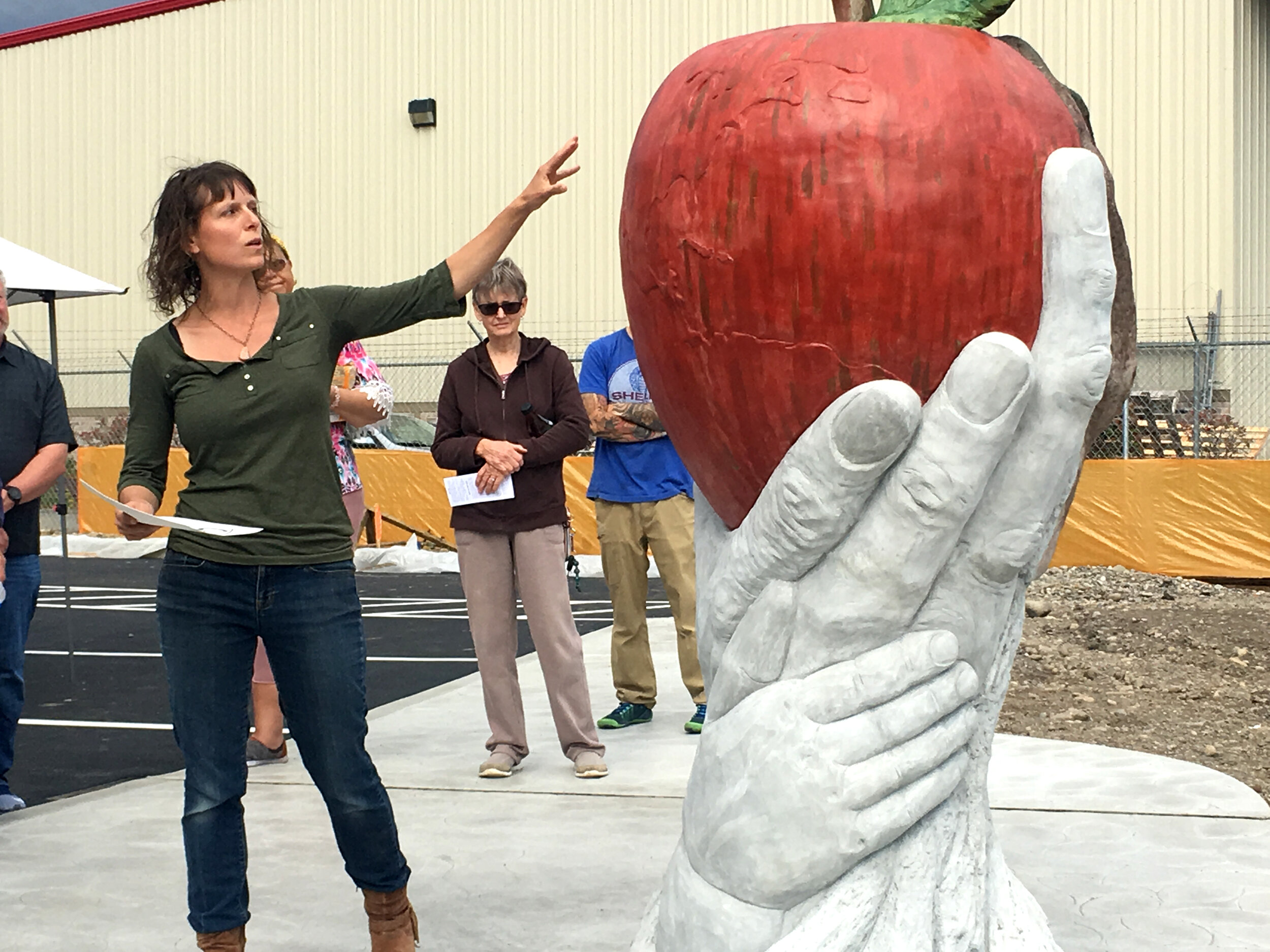
In the United States, we waste 40% of the food we grow — while 1 in 6 Americans doesn't get enough to eat. Wasted food is also the third largest contributor to greenhouse gas emissions globally. These are the facts I brought to over 100 middle and high school students at Salish Middle School and North Thurston High School at the start of this project. What happened next is what always happens when young people are trusted with hard truths and given tools to respond: they rose to the challenge.
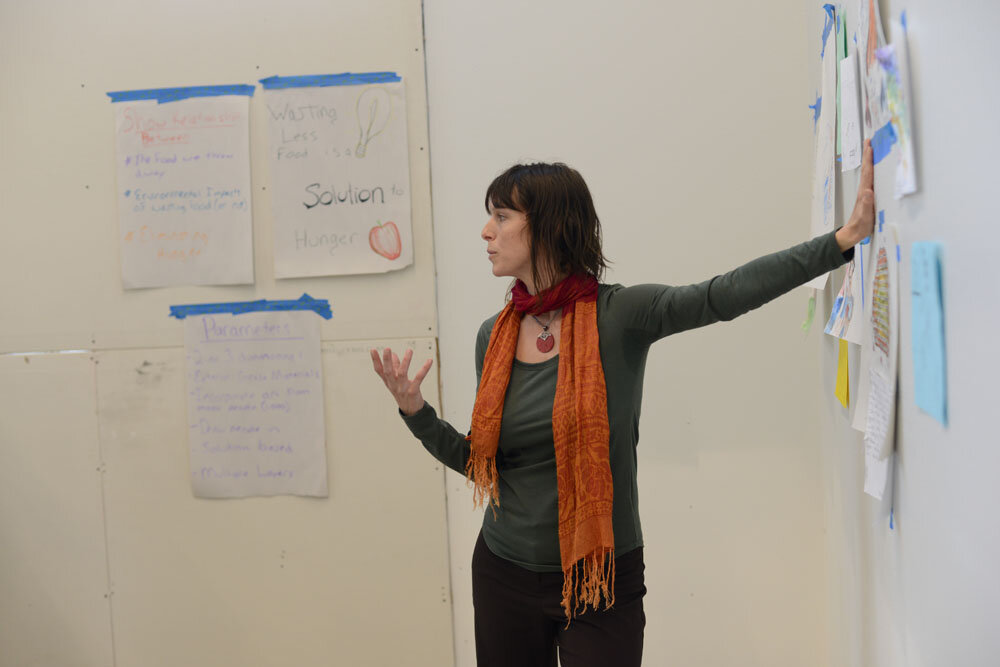
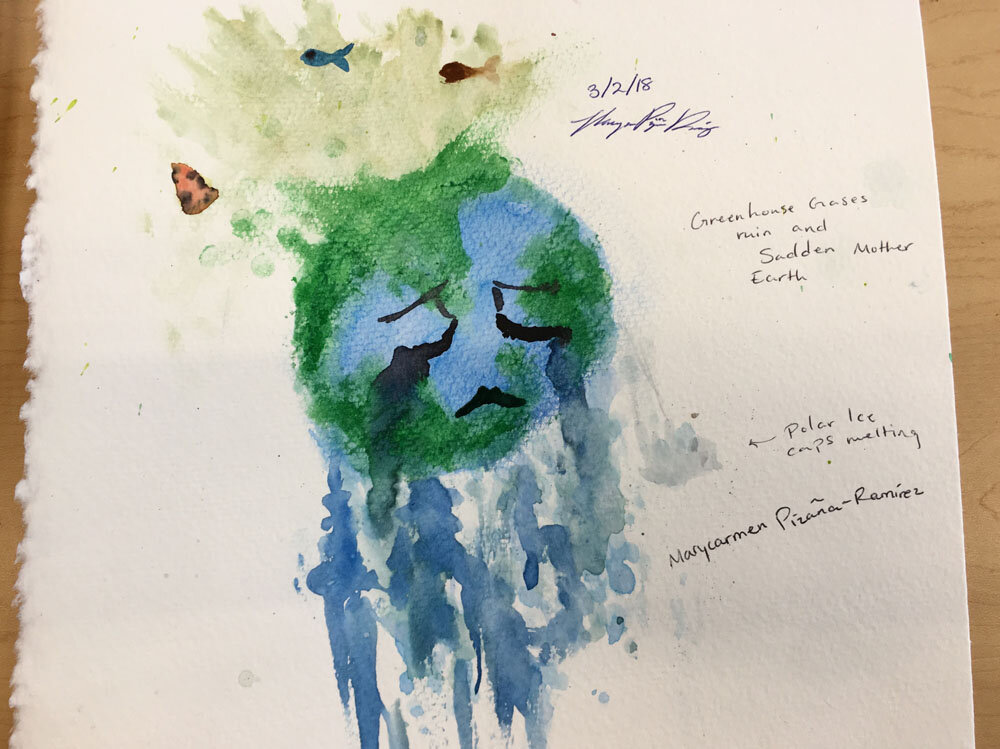
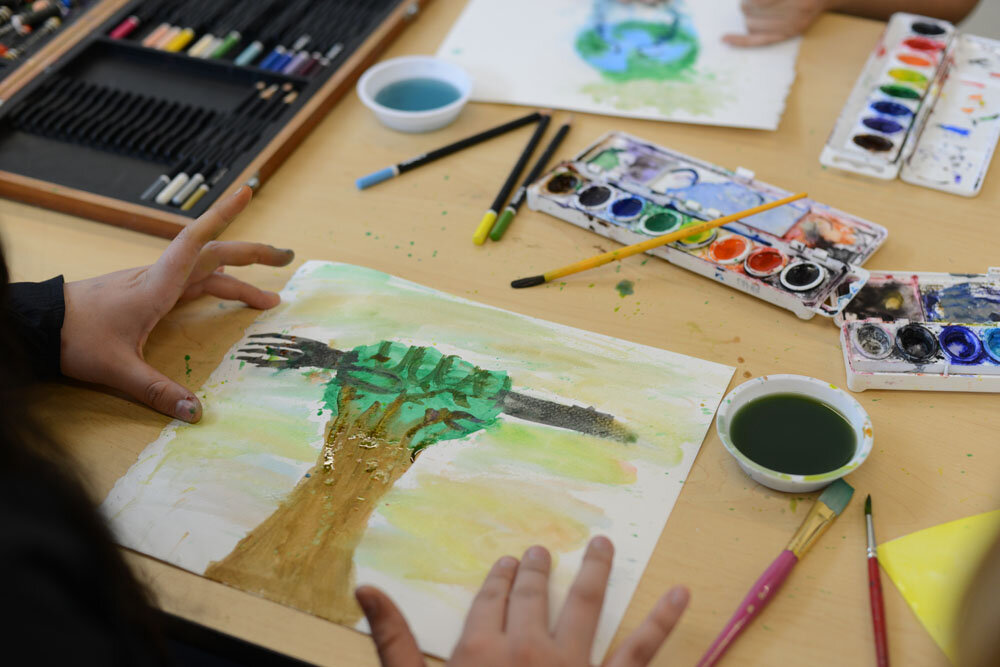
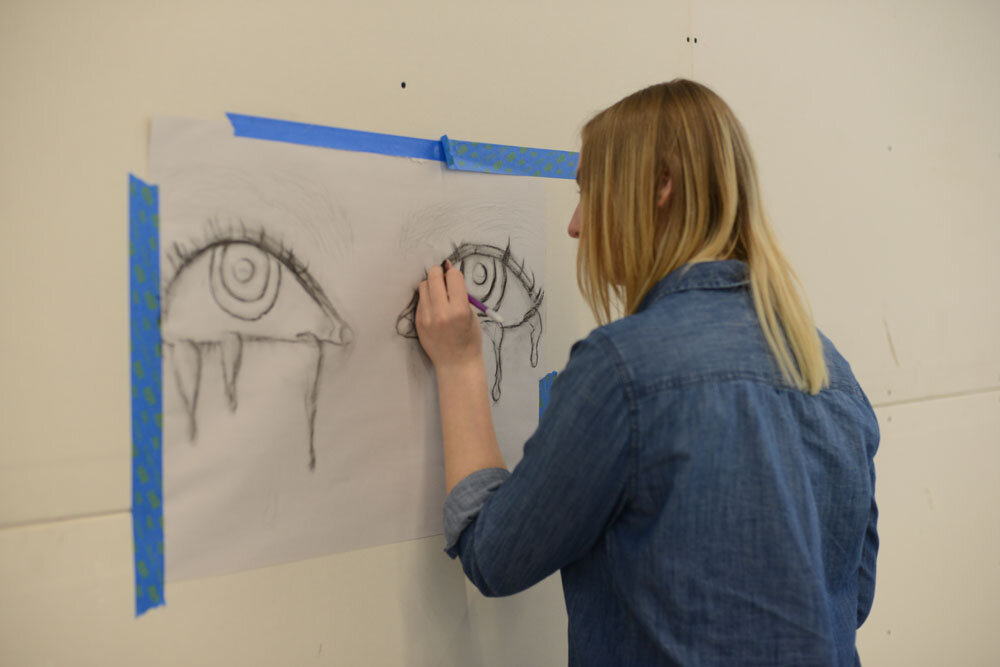
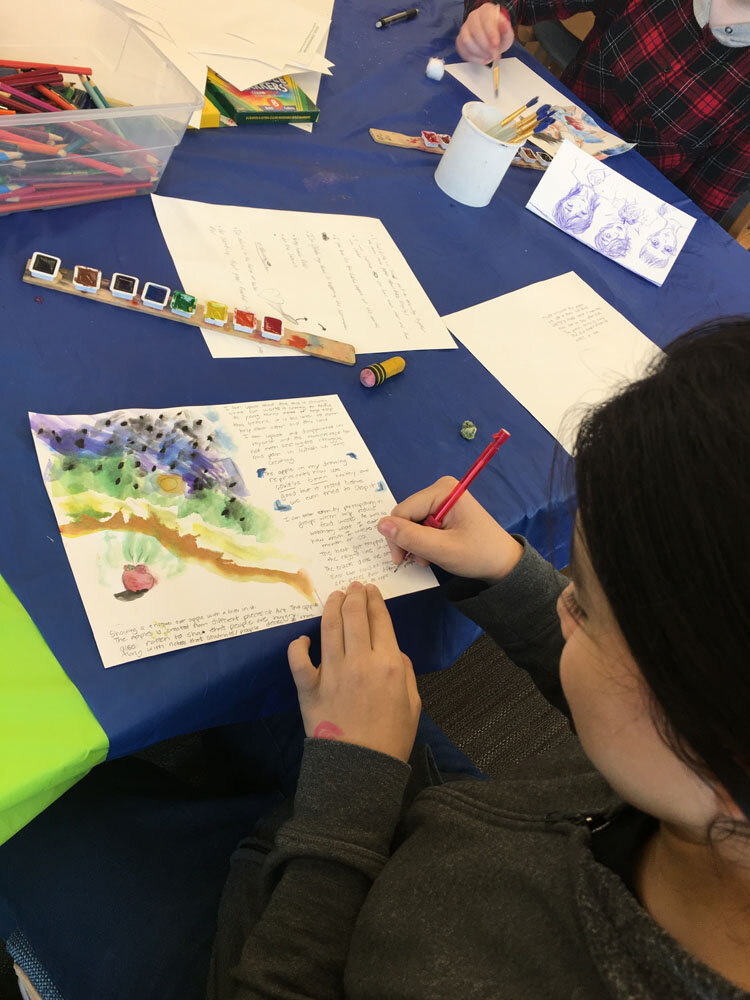
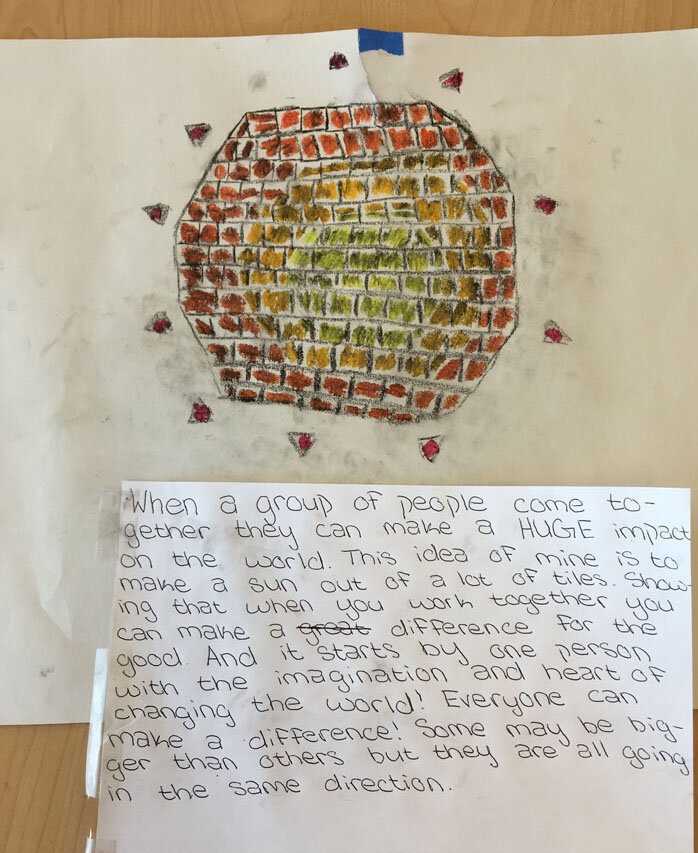
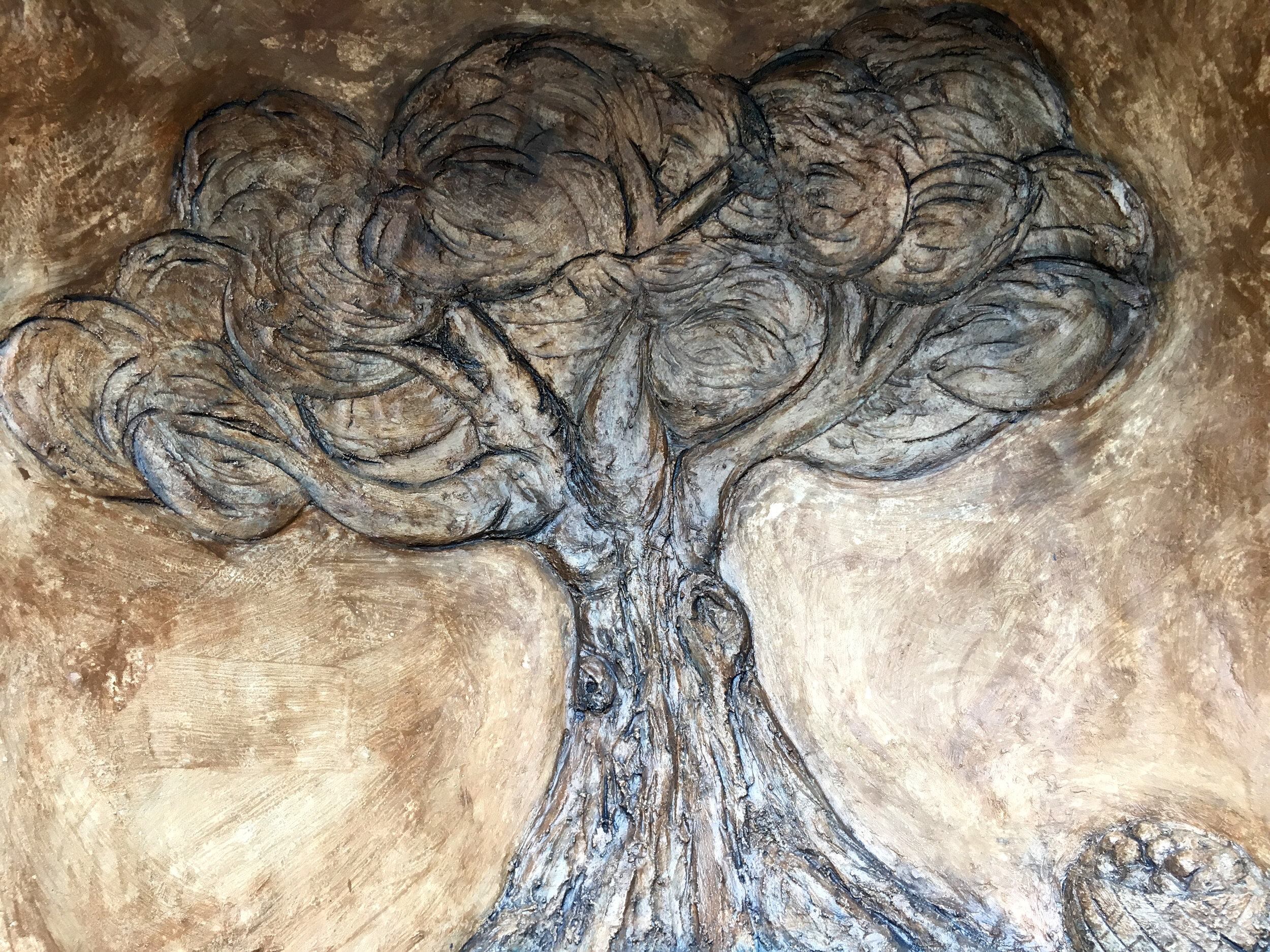
Through four co-design workshops, students grappled with the connections between food waste, hunger, and climate change — then channeled that understanding into designs for a permanent installation. Their ideas were thoughtful, layered, and alive. From those workshops emerged the vision that would become Waste Less, More Food.
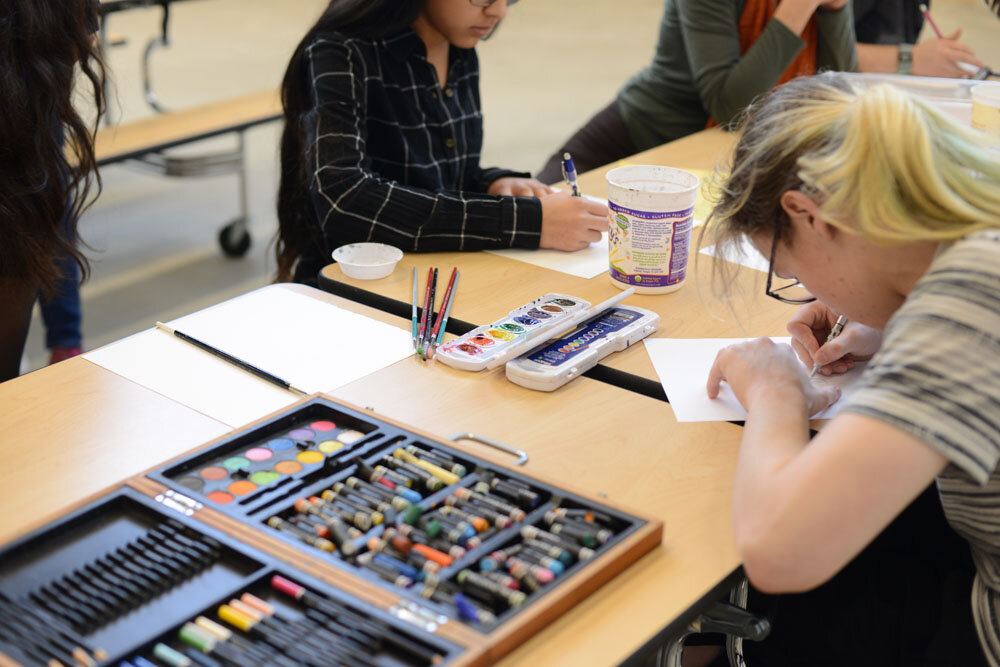
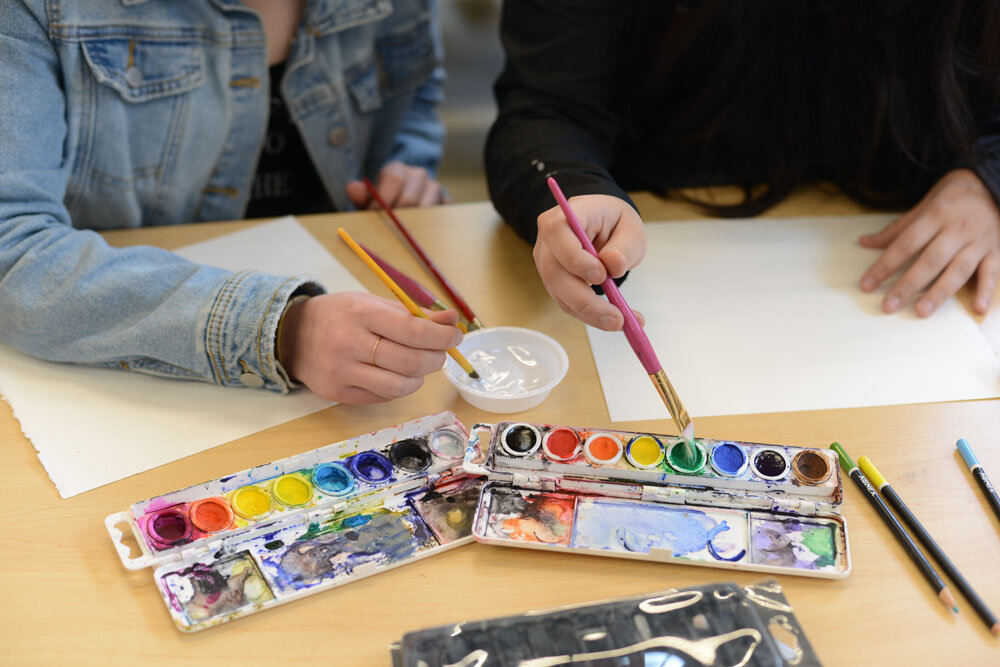
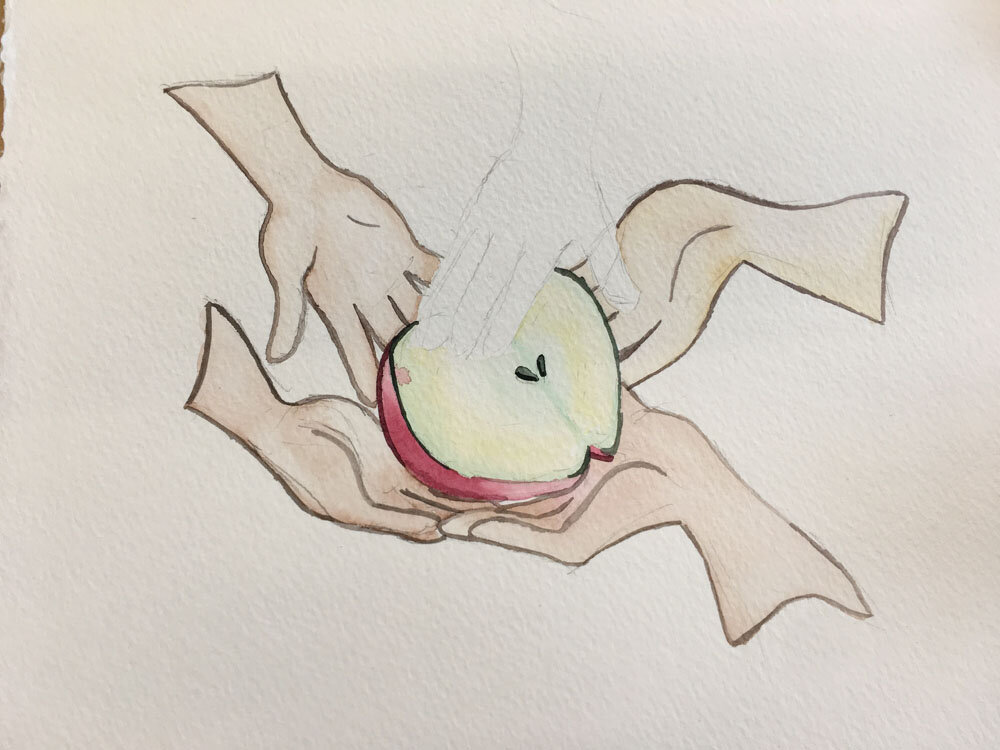
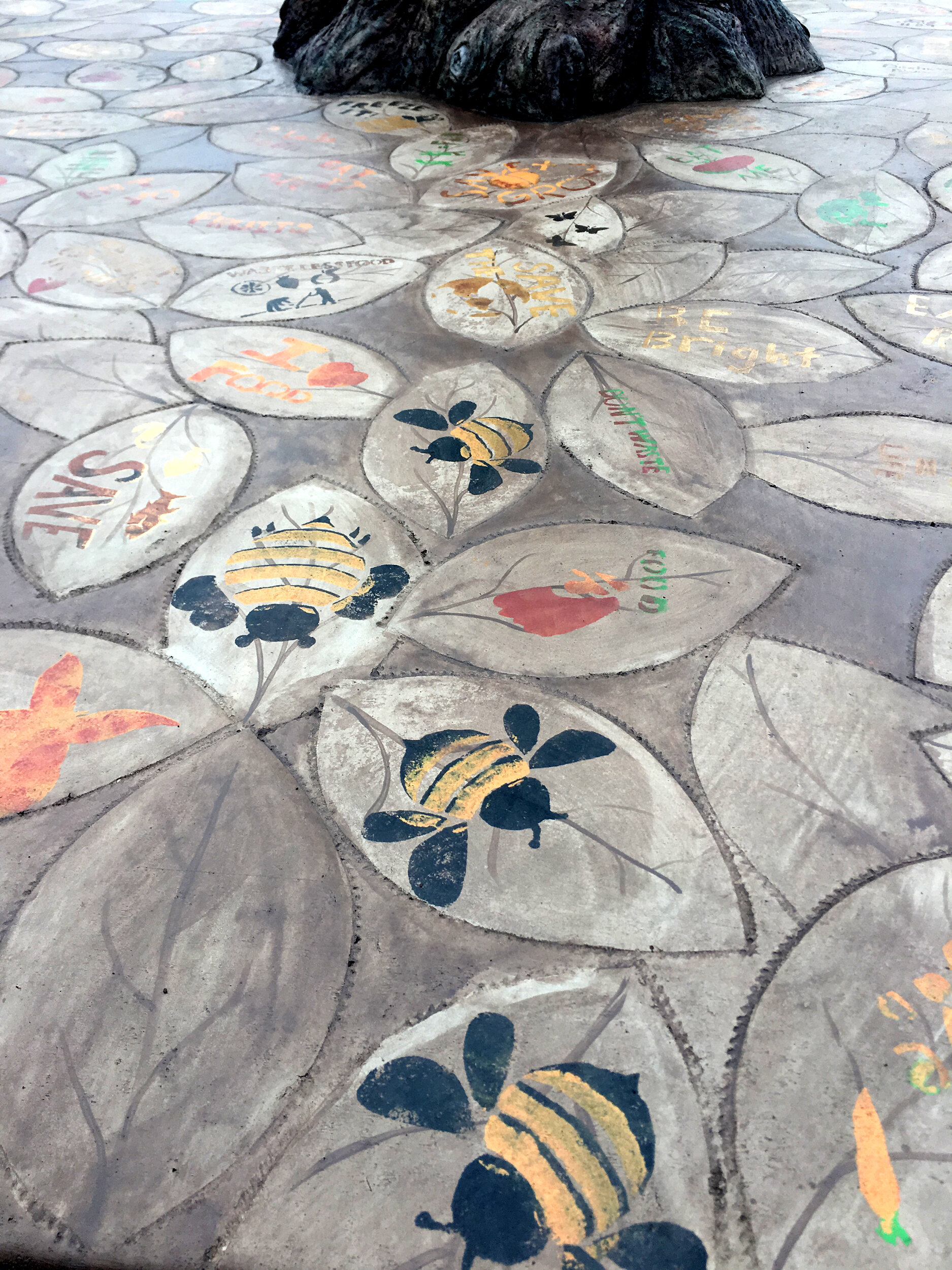
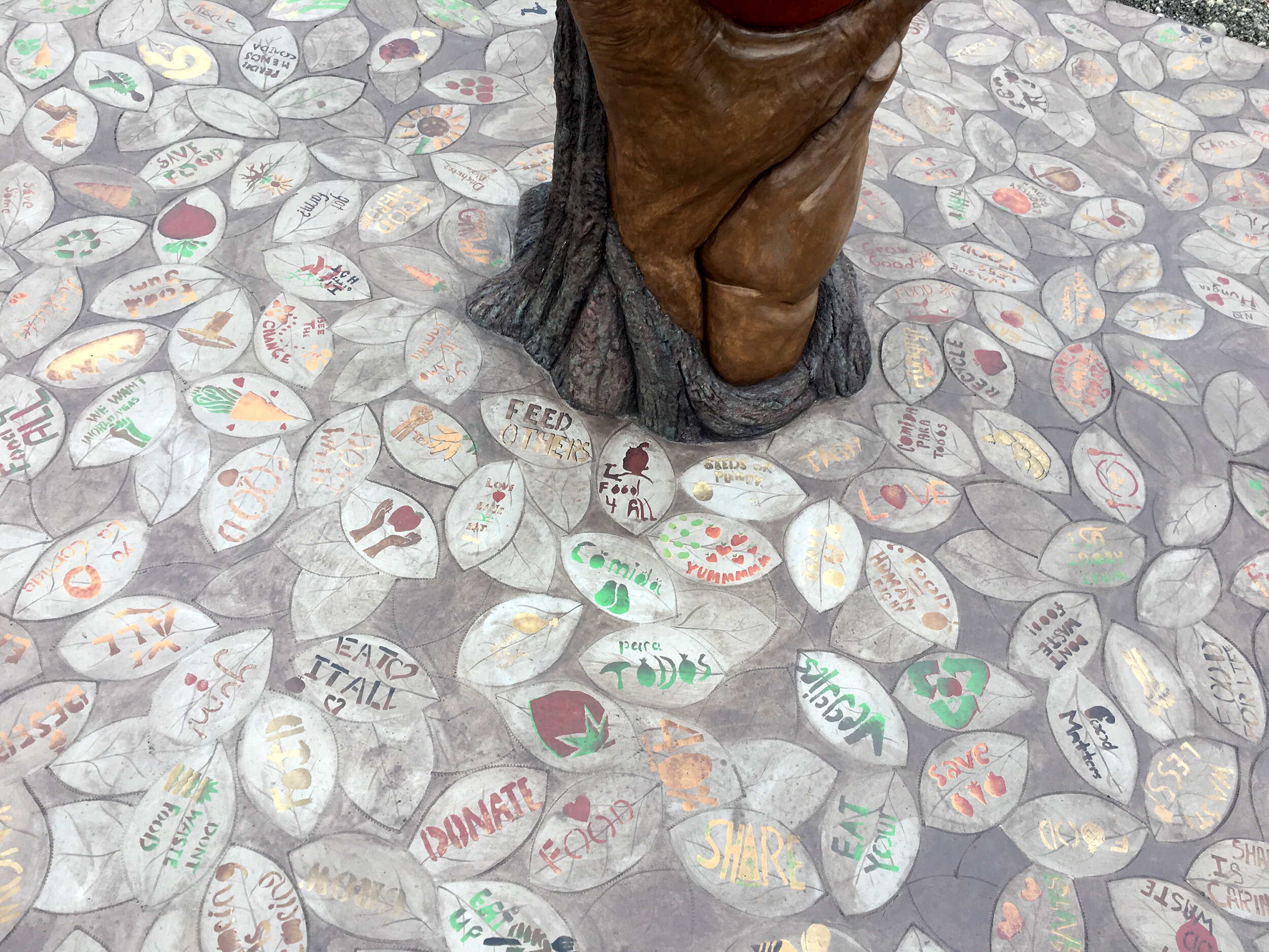
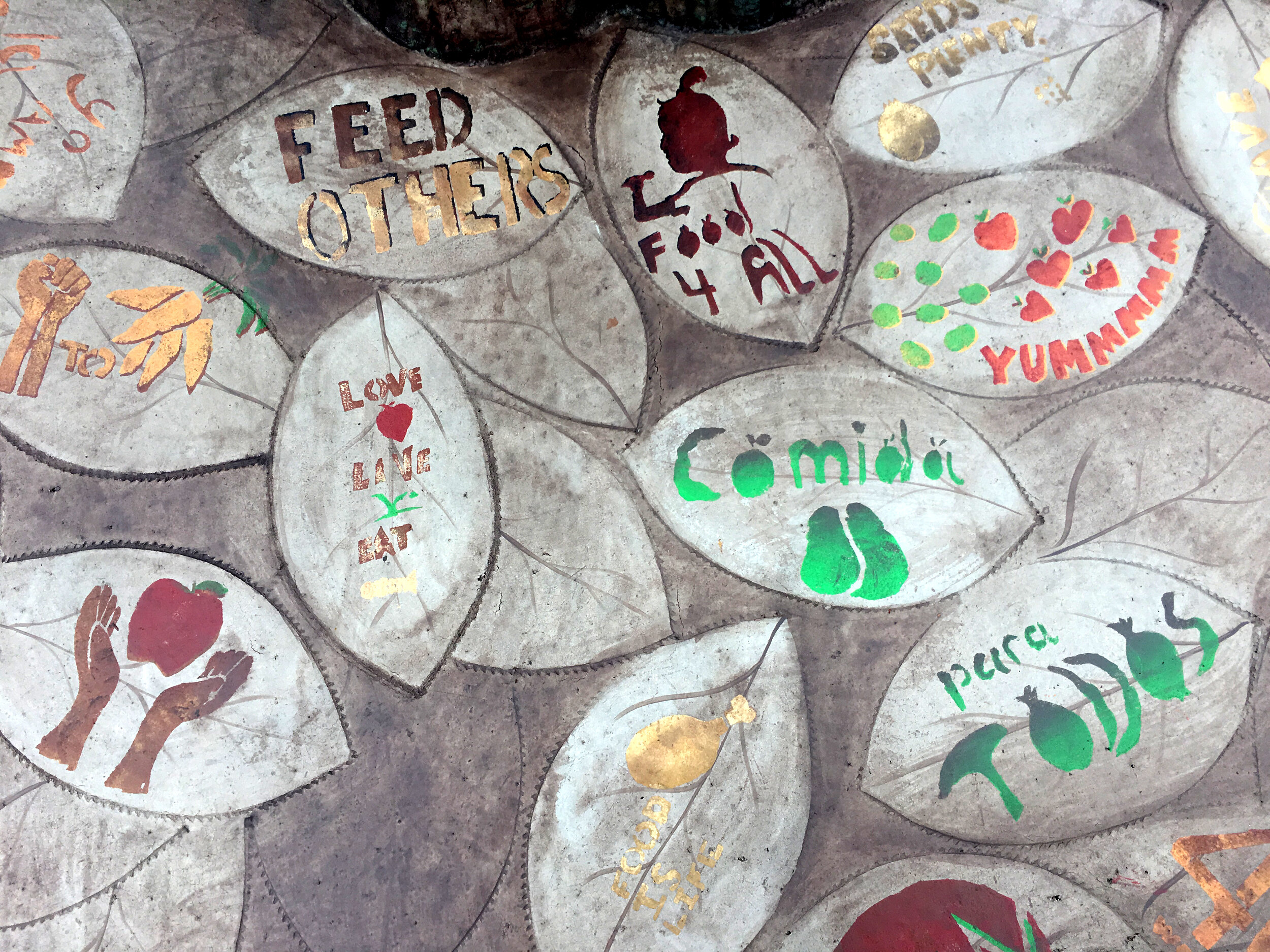
Over the following months, more than 1,000 participants — students, adults, and community members across Lacey — created individual artwork in response to what they learned. Each piece was woven into the permanent exterior installation at the Lacey Food Pantry, telling the story of this community's relationship to food and its commitment to change.
The impact went beyond the artwork. One high school student, inspired by the project, implemented a food-sharing table in her school cafeteria — a real, lasting solution born from a single afternoon of making art together.
““Carrie was masterful at engaging over 1,000 of our middle and high school students in a rich, integrated educational experience that brought together art with environmental and climate justice issues of waste and hunger. Students and teachers absolutely loved participating.” ”
This is what Art in Action looks like: not art about a problem, but art that becomes part of the solution.
Gallery